
Palliative Care Support at HCS
The Palliative Care Conversation brings compassionate listening, support, and clarification of needs and wishes – right in the comfort of your home.
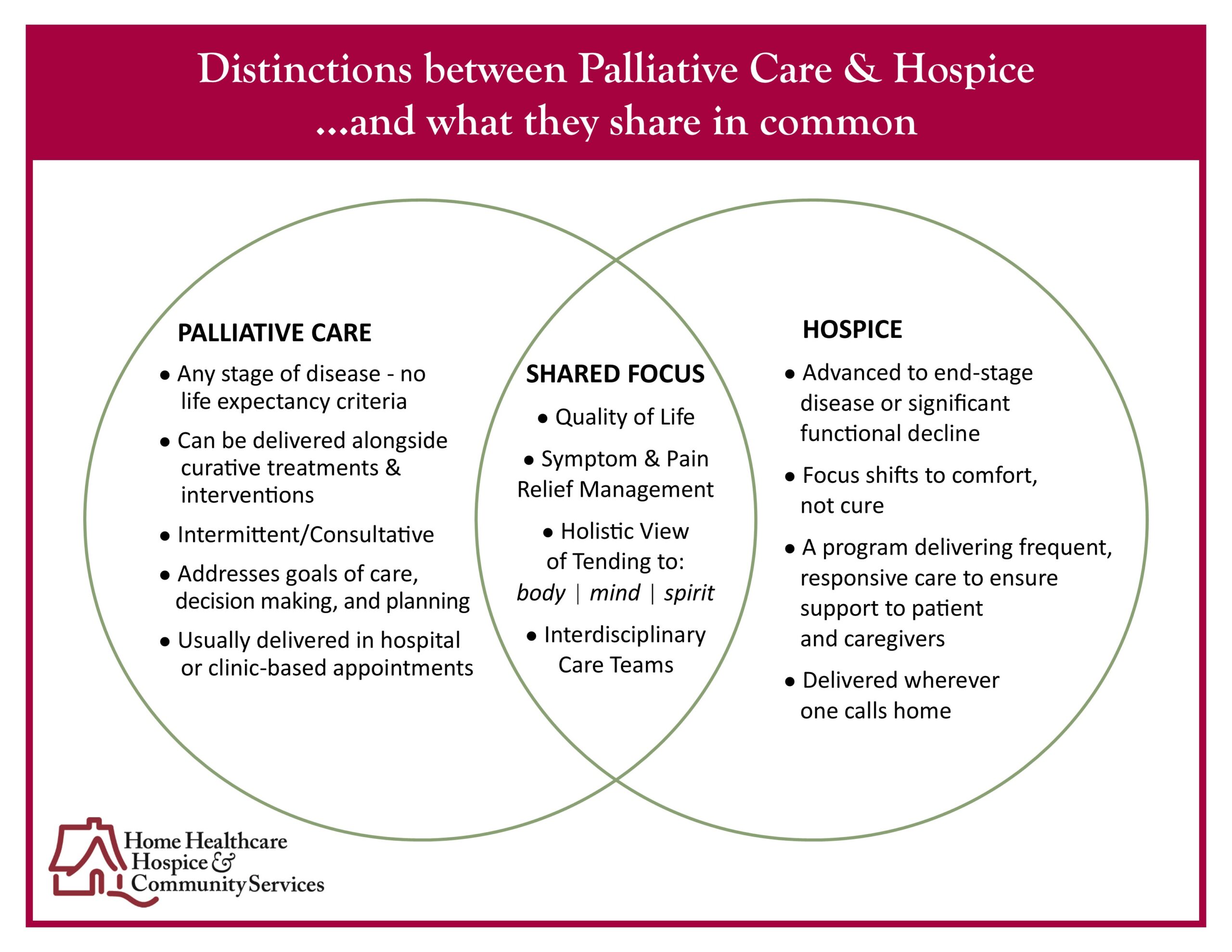
Palliative Care is an approach to care that focuses on relief from symptoms, pain, and stressors – whatever the stage of the illness.


What is Palliative Care?
Palliative Care Support at HCS is an extra layer of support that can be offered to our patients while receiving home-based visiting nurse or rehabilitative services. As this layer of support is provided within skilled home care services, it is short term in nature. Palliative Care Support at HCS is a person-centered, Social Work-led service that prioritizes your needs, concerns, and wishes for your best quality of life. Support includes:
- Palliative Care Conversations in which we get to know you and your goals
- Evaluation of pain and discomfort
- Support navigating the healthcare system, understanding options and resources, and coping with your situation
- Guidance in weighing and making choices – both practical and complex
- Assistance around any area of stress impacting your quality of life
Do I qualify for Palliative Care Support?
Palliative Care Support at HCS is available to patients receiving HCS home-based visiting nurse or rehabilitation services. Palliative Care at HCS requires a physician order and may be covered under insurance. Patients without insurance may be eligible for a grant-funded Palliative Care Social Work visit.

Palliative Care is not Hospice Care…
Many people hear ‘Palliative’ and think it refers to end of life. This is not at all the case – though there are patients who receive Palliative Care and may indeed move on to Hospice Care. While Hospice Care is a distinct program for people facing terminal conditions and no longer seeking curative treatment, Palliative Care is an approach to care that can complement ongoing treatment or specialty medicine. Think of it as an extra layer of support for people facing serious health conditions, complex care decisions, and adjustments to their lives and the lives of their loved ones.
People may consult with and benefit from Palliative Care on and off throughout the course of their illness. Optimal quality of life is the goal.
Frequently Asked Questions
Master Level Social Workers experienced in Palliative Care
Nurses, Rehab Therapists, and LNAs working with a Palliative Care approach
- When faced with a new or ongoing chronic progressive illness such as cancer, heart, lung or kidney disease.
- When struggling with treatments and their side effects.
- If you or a loved one are simply having trouble understanding your condition and options, and are uncertain about the path ahead.
- Understanding and exploring ways to best manage unwanted symptoms, pain, and discomfort and optimize quality of life
- Finding resources to help with the practicalities and necessities of daily living
- Emotional support when you are at a crossroads and need to make difficult decisions
- Help with Advance Care Planning (ACP), including advance healthcare directives and Provider Orders for Life Sustaining Treatment (POLST)
Palliative Care Social Workers are trained ACP facilitators and will help you make sure your wishes are communicated, documented, and that
decision making burdens are eased for you and your family.
Palliative Care Support at HCS is available to patients receiving HCS home-based visiting nurse or rehabilitation services. Palliative Care at HCS requires a physician order and may be covered under insurance. Patients without insurance may be eligible for a grant-funded Palliative Care Social Work visit.
For more information, please call Care Coordination at HCS at 603-352-2253.
Palliative Care is an approach to care that focuses on relief from symptoms, pain, and stressors – whatever the stage of the illness. Palliative Care Support at HCS is an extra layer of support that can be offered to our patients while receiving home-based visiting nurse or rehabilitative services. As this layer of support is provided within skilled home care services, it is short term in nature. Palliative Care Support at HCS is a person-centered, Social Work-led service that prioritizes your needs, concerns, and wishes for your best quality of life.
- Support includes:
Palliative Care Conversations in which we get to know you and your goals - Evaluation of pain and discomfort
- Support navigating the healthcare system, understanding options and resources, and coping with your situation
- Guidance in weighing and making choices – both practical and complex
- Assistance around any area of stress impacting your quality of life
Helpful Links
What is Palliative Care – FAQ From: Center to Advance Palliative Care (CAPC)
Palliative Care or Hospice: What is the right service at the right time for seriously ill individuals? From: National Hospice and Palliative Care Organization
For more information, please call Care Coordination at HCS at 603-352-2253.
STAFF HIGHLIGHTS

Evelyn Erb, LMSW – Palliative Social Worker/Supervisor
Evelyn has been with HCS for 10 years, supporting patients and families and managing the Medical Social Work team. Over the past several years she has also been the agency’s Palliative Care Lead & Social Worker, serving patients at some of the most difficult crossroads of their lives, assisting them to navigate difficult decisions and a complex health care system in order to ensure recognition of these patient-driven goals and plans. Evelyn is trained in Advance Care Planning facilitation (Advance Directives; Do Not Resuscitate/DNR; and Provider Orders for Life Sustaining Treatment/POLST) and a member of the Social Work Hospice and Palliative Care Network (SWHPN). She has found in working with patients that some of the most significant palliative comfort can come from connecting compassionately, facilitating clarity and understanding, and supporting people to feel any and all degrees of control or organization over their lives and plans.
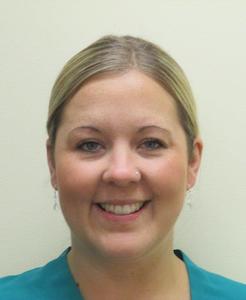
Vanessa Sheehan, RN – Patient Care Manager and Palliative Nursing Lead
Vanessa has been with HCS for 15 years. Her passion for supporting patients and caregivers began with her work as a Homemaker and has continued all the way to her current role as Patient Care Manager and Palliative Nursing Lead. Vanessa believes that a calming and supportive approach and the recognition of patient self-direction is the best way to forge a connection. Her attention to the patient’s medical situation as well as their overall life circumstances allows for a true Palliative approach to understanding needs and wishes. As a nurse manager, Vanessa works to identify patients who may benefit from additional attention to symptom management, side effect monitoring, pain and discomfort, and she guides care planning for clinicians in these cases.
Evelyn and Vanessa work closely as a team and meet weekly with the Hospice Team to assist any desired transitions for patients seeking hospice care. Not all patients desire hospice care, but still can benefit from a more palliative approach to their needs. Evelyn and Vanessa welcome any and all calls to discuss the Palliative Support available under HCS’s VNA program.
Our VNA Services
ABOUT HCS SERVICES
Home Healthcare, Hospice & Community Services offers comprehensive services to the residents of southwestern New Hampshire. Services include:
Financial Information
Home Healthcare, Hospice & Community Services accepts Medicare, Medicaid and many private insurances. Home Healthcare, Hospice & Community Services does not deny anyone the care necessary for their health and safety solely on the basis of ability to pay. If you do not have insurance coverage, you may be eligible for service at a reduced fee or free care.